Introduction
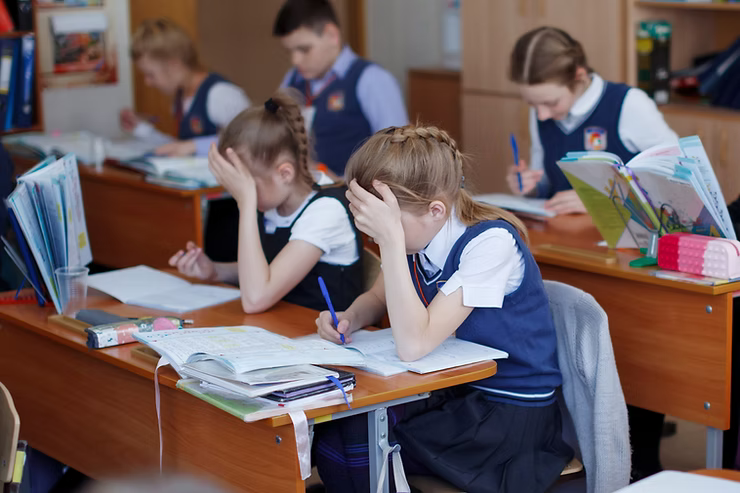
In education, dysregulation is seen as either misbehavior or defiance, but in reality it’s just unmet needs. Every escalation, shutdown, or refusal triggers a chain reaction: learning time, strained relationships, and classroom tensions are all effects. If we shift from reacting to behaviours to
supporting regulation, everything will change.
Dysregulated behaviour is a biological stress response
These challenges often stem from three core areas that overload the nervous system:
- Emotional Capacity: Difficulty managing intense emotions, especially common for neurodivergent learners or those facing high stress. (Cross D, et al. 2017)
- Sensory Input: Busy, loud, or unpredictable environments lead to involuntary responses.
- Survival Mode: The body’s biological stress response takes over, then learning becomes biologically inaccessible (Center on the Developing Child at Harvard University. 2025).
How Dysregulation Shows Up in Students
- Interruptions and outbursts
- Avoidance or disengagement
- Refusal to participate
- Leaving the classroom
The Science: Why Learning Stops During Overwhelm
Learning relies on key cognitive functions such as attention, memory, and executive control - all of which require a regulated nervous system.
Stress Hijacks Learning Systems: Anxiety and sensory overload disrupt these functions, stopping learning at the source. (Ouellet B, et al. 2018)
Expectations Become Unrealistic: Asking a dysregulated student to perform a cademically amplifies distress.
Classroom Mismatch: When a child’s state and environment are out of sync, confusion, frustration, and behavioural referrals increase.
The Real Cost
Without proactive regulation supports:
Instructional loss - Valuable learning time is forfeited by both the dysregulated student and their classmates.
Role Shift - Educators are forced to abandon teaching and shift their focus to managing crises.
Relational Harm - The student confidence and teacher-student relationship can suffer long-term damage
Because traditional reactions like consequences or public correction often intensify distress, experts advocate adoption of a sensory-aware and trauma-informed environment that will prioritize student safety (Unwin K.L, et al. 2021).
Reframing Dysregulation: From Consequences to Prevention
When we view dysregulation as a need — not a behaviour problem — we transform outcomes
What Schools Can Do
Provide proactive supports: sensory-friendly spaces, flexible seating, movement breaks
Train educators in trauma- and neurodiversity-informed approaches
Normalize regulation as part of the learning process
Offer privacy, so support doesn’t become stigma
When regulation comes first, students return to learning faster, and teachers maintain instructional momentum.
References:
- Cross, D., Fani, N., Powers, A., & Bradley, B. (2017). Neurobiological development in the context of childhood trauma. Clinical Psychology Science and Practice, 24(2), 111–124. https://doi.org/10.1111/cpsp.12198
- Toxic Stress : What is toxic stress? (2025, March 13). Center on the Developing Child at Harvard University. https://developingchild.harvard.edu/key-concept/toxic-stress/
- Ouellet, B., Carreau, E., Dion, V., Rouat, A., Tremblay, E., & Voisin, J. I. A. (2018). Efficacy of sensory interventions on school participation of children with sensory disorders: a systematic review. American Journal of Lifestyle Medicine, 15(1), 75–83. https://doi.org/10.1177/1559827618784274
- Unwin, K. L., Powell, G., & Jones, C. R. (2021). The use of Multi-Sensory Environments with autistic children: Exploring the effect of having control of sensory changes. pmc.ncbi.nlm.nih.gov. https://doi.org/10.1177/1362361321105017
Ready to create a more supportive, inclusive learning environment while saving on costs? Me Time Pods offer a powerful solution for schools facing space constraints, rising special education needs, and budget challenges. Contact us today to discover how Me Time Pods can benefits your students and staff.


Recent Posts
RACHEL SEKKLER JAN 6, 2025
A New Standard in Portable, Research-Aligned Sensory Environments
Today, we are proud to introduce ForeverMe Sens Pod, a Canadian-designed and manufactured portable sensory environment that helps students self regulate, reset, and return to learning quicker.

Read More
RACHEL SEKKLER JAN 6, 2025
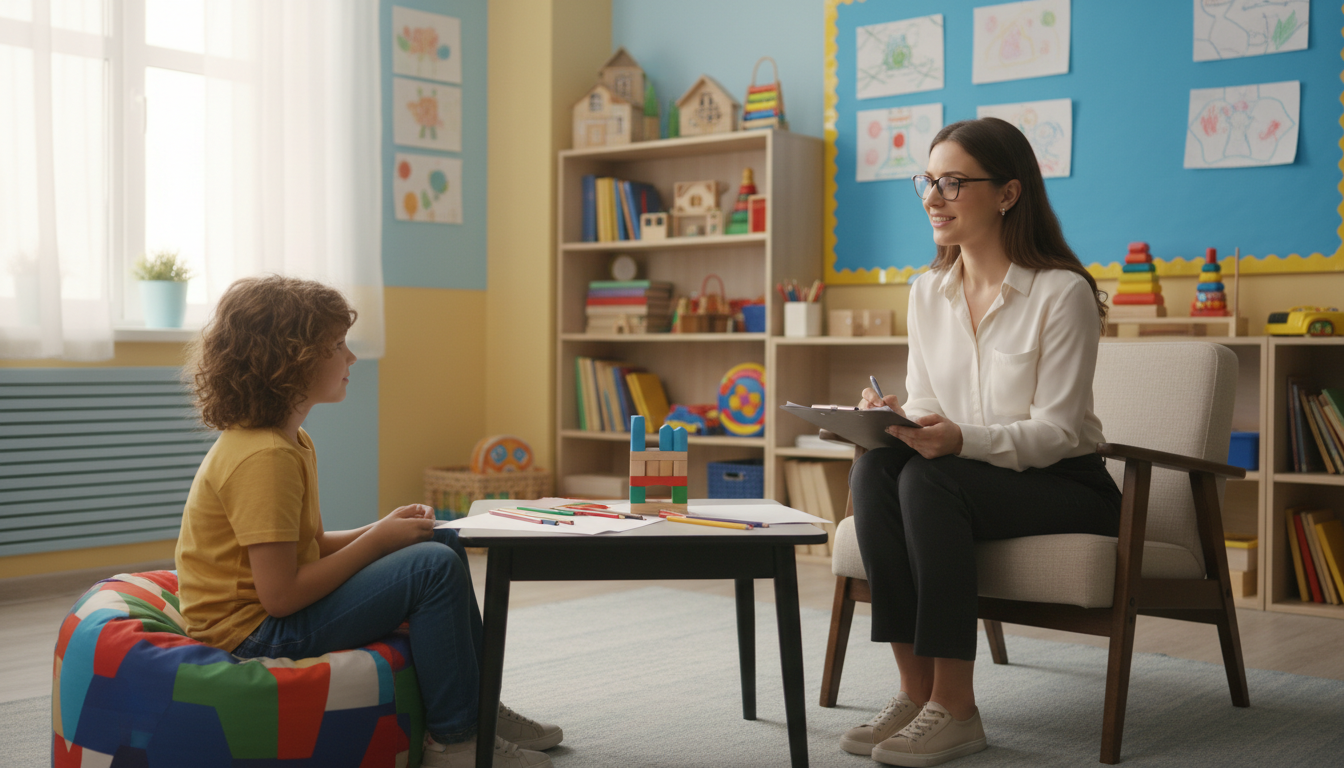
The Psychological Benefits of Forever Me Sensory Pods for Children with Special Needs
Children with special needs, including those with autism spectrum disorder (ASD), ADHD, and complex learning disabilities, often struggle with sensory regulation in busy classrooms.
Read More

RACHEL SEKKLER JAN 6, 2025
How Sensory Pods Generate Financial Savings for Educational Systems
Educational budgets are often strained by rising demands for special education services, staff shortages, and the high costs of modifying existing facilities.
Read More
Calm
Focus
Grow
Sensory Spaces for Focus & Well-being in Schools
Sector
Company
Contacts Us

info@forevermesenspod.com

(647) 932-3997

40 Penn Drive, Toronto,
Ontario M9L 2A9
Canada
International
Hertz Furniture
Dr.Metzler@hertzfurniture.com
Susan@hertzfurniture.com
(800) 526-4677
300 Tice Blvd, Suite 291, Woodcliff Lake,
NJ 07677
Copyright © 2025
All Rights Reserved | Terms and Conditions | Privacy Policy

Gabriel Larionov
The Hidden Cost of Dysregulation in Schools
Updated: Dec 12

Introduction
In education, dysregulation is seen as either misbehavior or defiance, but in reality it’s just unmet needs. Every escalation, shutdown, or refusal triggers a chain reaction: learning time, strained relationships, and classroom tensions are all effects. If we shift from reacting to behaviours to
supporting regulation, everything will change.
Dysregulated behaviour is a biological stress response
These challenges often stem from three core areas that overload the nervous system:
- Emotional Capacity: Difficulty managing intense emotions, especially common for neurodivergent learners or those facing high stress. (Cross D, et al. 2017)
- Sensory Input: Busy, loud, or unpredictable environments lead to involuntary responses.
- Survival Mode: The body’s biological stress response takes over, then learning becomes biologically inaccessible (Center on the Developing Child at Harvard University. 2025).
How Dysregulation Shows Up in Students
- Interruptions and outbursts
- Avoidance or disengagement
- Refusal to participate
- Leaving the classroom
The Science: Why Learning Stops During Overwhelm
Learning relies on key cognitive functions such as attention, memory, and executive control - all of which require a regulated nervous system.
Stress Hijacks Learning Systems: Anxiety and sensory overload disrupt these functions, stopping learning at the source. (Ouellet B, et al. 2018)
Expectations Become Unrealistic: Asking a dysregulated student to perform a cademically amplifies distress.
Classroom Mismatch: When a child’s state and environment are out of sync, confusion, frustration, and behavioural referrals increase.
The Real Cost
Without proactive regulation supports:
Instructional loss - Valuable learning time is forfeited by both the dysregulated student and their classmates.
Role Shift - Educators are forced to abandon teaching and shift their focus to managing crises.
Relational Harm - The student confidence and teacher-student relationship can suffer long-term damage
Because traditional reactions like consequences or public correction often intensify distress, experts advocate adoption of a sensory-aware and trauma-informed environment that will prioritize student safety (Unwin K.L, et al. 2021).
Reframing Dysregulation: From Consequences to Prevention
When we view dysregulation as a need — not a behaviour problem — we transform outcomes
What Schools Can Do
Provide proactive supports: sensory-friendly spaces, flexible seating, movement breaks
Train educators in trauma- and neurodiversity-informed approaches
Normalize regulation as part of the learning process
Offer privacy, so support doesn’t become stigma
When regulation comes first, students return to learning faster, and teachers maintain instructional momentum.
References:
- Cross, D., Fani, N., Powers, A., & Bradley, B. (2017). Neurobiological development in the context of childhood trauma. Clinical Psychology Science and Practice, 24(2), 111–124. https://doi.org/10.1111/cpsp.12198
- Toxic Stress : What is toxic stress? (2025, March 13). Center on the Developing Child at Harvard University. https://developingchild.harvard.edu/key-concept/toxic-stress/
- Ouellet, B., Carreau, E., Dion, V., Rouat, A., Tremblay, E., & Voisin, J. I. A. (2018). Efficacy of sensory interventions on school participation of children with sensory disorders: a systematic review. American Journal of Lifestyle Medicine, 15(1), 75–83. https://doi.org/10.1177/1559827618784274
- Unwin, K. L., Powell, G., & Jones, C. R. (2021). The use of Multi-Sensory Environments with autistic children: Exploring the effect of having control of sensory changes. pmc.ncbi.nlm.nih.gov. https://doi.org/10.1177/1362361321105017
Ready to create a more supportive, inclusive learning environment while saving on costs? Me Time Pods offer a powerful solution for schools facing space constraints, rising special education needs, and budget challenges. Contact us today to discover how Me Time Pods can benefits your students and staff.
Recent Posts
RACHEL SEKKLER JAN 6, 2025
A New Standard in Portable, Research-Aligned Sensory Environments
Today, we are proud to introduce ForeverMe Sens Pod, a Canadian-designed and manufactured portable sensory environment that helps students self regulate, reset, and return to learning quicker.
Read More
RACHEL SEKKLER JAN 6, 2025
The Psychological Benefits of Forever Me Sensory Pods for Children with Special Needs
Children with special needs, including those with autism spectrum disorder (ASD), ADHD, and complex learning disabilities, often struggle with sensory regulation in busy classrooms.
Read More
RACHEL SEKKLER JAN 6, 2025
How Sensory Pods Generate Financial Savings for Educational Systems
Educational budgets are often strained by rising demands for special education services, staff shortages, and the high costs of modifying existing facilities.
Read More
Calm
Focus
Grow
Sensory Spaces for Focus & Well-being in Schools
Sector
Company
Contacts Us

info@forevermesenspod.com
(647) 932-3997

40 Penn Drive, Toronto,
Ontario M9L 2A9
Canada
International
Hertz Furniture
Dr.Metzler@hertzfurniture.com
Susan@hertzfurniture.com
(800) 526-4677
300 Tice Blvd, Suite 291, Woodcliff Lake,
NJ 07677
Copyright © 2025
All Rights Reserved | Terms and Conditions | Privacy Policy
Gabriel Larionov
The Hidden Cost of Dysregulation in Schools
Updated: Dec 12
Introduction
In education, dysregulation is seen as either misbehavior or defiance, but in reality it’s just unmet needs. Every escalation, shutdown, or refusal triggers a chain reaction: learning time, strained relationships, and classroom tensions are all effects. If we shift from reacting to behaviours to
supporting regulation, everything will change.
Dysregulated behaviour is a biological stress response
These challenges often stem from three core areas that overload the nervous system:
- Emotional Capacity: Difficulty managing intense emotions, especially common for neurodivergent learners or those facing high stress. (Cross D, et al. 2017)
- Sensory Input: Busy, loud, or unpredictable environments lead to involuntary responses.
- Survival Mode: The body’s biological stress response takes over, then learning becomes biologically inaccessible (Center on the Developing Child at Harvard University. 2025).
How Dysregulation Shows Up in Students
- Interruptions and outbursts
- Avoidance or disengagement
- Refusal to participate
- Leaving the classroom
The Science: Why Learning Stops During Overwhelm
Learning relies on key cognitive functions such as attention, memory, and executive control - all of which require a regulated nervous system.
Stress Hijacks Learning Systems: Anxiety and sensory overload disrupt these functions, stopping learning at the source. (Ouellet B, et al. 2018)
Expectations Become Unrealistic: Asking a dysregulated student to perform a cademically amplifies distress.
Classroom Mismatch: When a child’s state and environment are out of sync, confusion, frustration, and behavioural referrals increase.
The Real Cost
Without proactive regulation supports:
Instructional loss - Valuable learning time is forfeited by both the dysregulated student and their classmates.
Role Shift - Educators are forced to abandon teaching and shift their focus to managing crises.
Relational Harm - The student confidence and teacher-student relationship can suffer long-term damage
Because traditional reactions like consequences or public correction often intensify distress, experts advocate adoption of a sensory-aware and trauma-informed environment that will prioritize student safety (Unwin K.L, et al. 2021).
Reframing Dysregulation: From Consequences to Prevention
When we view dysregulation as a need — not a behaviour problem — we transform outcomes
What Schools Can Do
Provide proactive supports: sensory-friendly spaces, flexible seating, movement breaks
Train educators in trauma- and neurodiversity-informed approaches
Normalize regulation as part of the learning process
Offer privacy, so support doesn’t become stigma
When regulation comes first, students return to learning faster, and teachers maintain instructional momentum.
References:
- Cross, D., Fani, N., Powers, A., & Bradley, B. (2017). Neurobiological development in the context of childhood trauma. Clinical Psychology Science and Practice, 24(2), 111–124. https://doi.org/10.1111/cpsp.12198
- Toxic Stress : What is toxic stress? (2025, March 13). Center on the Developing Child at Harvard University. https://developingchild.harvard.edu/key-concept/toxic-stress/
- Ouellet, B., Carreau, E., Dion, V., Rouat, A., Tremblay, E., & Voisin, J. I. A. (2018). Efficacy of sensory interventions on school participation of children with sensory disorders: a systematic review. American Journal of Lifestyle Medicine, 15(1), 75–83. https://doi.org/10.1177/1559827618784274
- Unwin, K. L., Powell, G., & Jones, C. R. (2021). The use of Multi-Sensory Environments with autistic children: Exploring the effect of having control of sensory changes. pmc.ncbi.nlm.nih.gov. https://doi.org/10.1177/1362361321105017
Ready to create a more supportive, inclusive learning environment while saving on costs? Me Time Pods offer a powerful solution for schools facing space constraints, rising special education needs, and budget challenges. Contact us today to discover how Me Time Pods can benefits your students and staff.
Recent Posts
RACHEL SEKKLER
A New Standard in Portable, Research-Aligned Sensory Environments
Today, we are proud to introduce ForeverMe Sens Pod, a Canadian-designed and manufactured portable sensory environment that helps students self regulate, reset, and return to learning quicker.
Read More
RACHEL SEKKLER
The Psychological Benefits of Forever Me Sensory Pods for Children with Special Needs
Children with special needs, including those with autism spectrum disorder (ASD), ADHD, and complex learning disabilities, often struggle with sensory regulation in busy classrooms.
Read More
RACHEL SEKKLER
How Sensory Pods Generate Financial Savings for Educational Systems
Educational budgets are often strained by rising demands for special education services, staff shortages, and the high costs of modifying existing facilities.
Read More
Calm
Focus
Grow
Sensory Spaces for Focus & Well-being
Company
info@forevermesenspod.com
Contacts Us
(647) 932-3997
40 Penn Drive, Toronto,
Ontario M9L 2A9
Canada
International
Hertz Furniture
Dr.Metzler@hertzfurniture.com
Susan@hertzfurniture.com
(800) 526-4677
300 Tice Blvd, Suite 291, Woodcliff Lake,
NJ 07677

Copyright © 2025
All Rights Reserved | Terms and Conditions | Privacy Policy
Gabriel Larionov
The Hidden Cost of Dysregulation in Schools
Updated: Dec 12
Introduction
In education, dysregulation is seen as either misbehavior or defiance, but in reality it’s just unmet needs. Every escalation, shutdown, or refusal triggers a chain reaction: learning time, strained relationships, and classroom tensions are all effects. If we shift from reacting to behaviours to
supporting regulation, everything will change.
Dysregulated behaviour is a biological stress response
These challenges often stem from three core areas that overload the nervous system:
- Emotional Capacity: Difficulty managing intense emotions, especially common for neurodivergent learners or those facing high stress. (Cross D, et al. 2017)
- Sensory Input: Busy, loud, or unpredictable environments lead to involuntary responses.
- Survival Mode: The body’s biological stress response takes over, then learning becomes biologically inaccessible (Center on the Developing Child at Harvard University. 2025).
How Dysregulation Shows Up in Students
- Interruptions and outbursts
- Avoidance or disengagement
- Refusal to participate
- Leaving the classroom
The Science: Why Learning Stops During Overwhelm
Learning relies on key cognitive functions such as attention, memory, and executive control - all of which require a regulated nervous system.
Stress Hijacks Learning Systems: Anxiety and sensory overload disrupt these functions, stopping learning at the source. (Ouellet B, et al. 2018)
Expectations Become Unrealistic: Asking a dysregulated student to perform a cademically amplifies distress.
Classroom Mismatch: When a child’s state and environment are out of sync, confusion, frustration, and behavioural referrals increase.
The Real Cost
Without proactive regulation supports:
Instructional loss - Valuable learning time is forfeited by both the dysregulated student and their classmates.
Role Shift - Educators are forced to abandon teaching and shift their focus to managing crises.
Relational Harm - The student confidence and teacher-student relationship can suffer long-term damage
Because traditional reactions like consequences or public correction often intensify distress, experts advocate adoption of a sensory-aware and trauma-informed environment that will prioritize student safety (Unwin K.L, et al. 2021).
Reframing Dysregulation: From Consequences to Prevention
When we view dysregulation as a need — not a behaviour problem — we transform outcomes
What Schools Can Do
Provide proactive supports: sensory-friendly spaces, flexible seating, movement breaks
Train educators in trauma- and neurodiversity-informed approaches
Normalize regulation as part of the learning process
Offer privacy, so support doesn’t become stigma
When regulation comes first, students return to learning faster, and teachers maintain instructional momentum.
References:
- Cross, D., Fani, N., Powers, A., & Bradley, B. (2017). Neurobiological development in the context of childhood trauma. Clinical Psychology Science and Practice, 24(2), 111–124. https://doi.org/10.1111/cpsp.12198
- Toxic Stress : What is toxic stress? (2025, March 13). Center on the Developing Child at Harvard University. https://developingchild.harvard.edu/key-concept/toxic-stress/
- Ouellet, B., Carreau, E., Dion, V., Rouat, A., Tremblay, E., & Voisin, J. I. A. (2018). Efficacy of sensory interventions on school participation of children with sensory disorders: a systematic review. American Journal of Lifestyle Medicine, 15(1), 75–83. https://doi.org/10.1177/1559827618784274
- Unwin, K. L., Powell, G., & Jones, C. R. (2021). The use of Multi-Sensory Environments with autistic children: Exploring the effect of having control of sensory changes. pmc.ncbi.nlm.nih.gov. https://doi.org/10.1177/1362361321105017
Ready to create a more supportive, inclusive learning environment while saving on costs? Me Time Pods offer a powerful solution for schools facing space constraints, rising special education needs, and budget challenges. Contact us today to discover how Me Time Pods can benefits your students and staff.
Recent Posts
RACHEL SEKKLER
A New Standard in Portable, Research-Aligned Sensory Environments
Today, we are proud to introduce ForeverMe Sens Pod, a Canadian-designed and manufactured portable sensory environment that helps students self regulate, reset, and return to learning quicker.
Read More
RACHEL SEKKLER
The Psychological Benefits of Forever Me Sensory Pods for Children with Special Needs
Children with special needs, including those with autism spectrum disorder (ASD), ADHD, and complex learning disabilities, often struggle with sensory regulation in busy classrooms.
Read More
RACHEL SEKKLER
How Sensory Pods Generate Financial Savings for Educational Systems
Educational budgets are often strained by rising demands for special education services, staff shortages, and the high costs of modifying existing facilities.
Read More
Calm
Focus
Grow
Sensory Spaces for Focus & Well-being
Company
info@forevermesenspod.com
Contacts Us
(647) 932-3997
40 Penn Drive, Toronto,
Ontario M9L 2A9
Canada
International
Hertz Furniture
Dr.Metzler@hertzfurniture.com
Susan@hertzfurniture.com
(800) 526-4677
300 Tice Blvd, Suite 291, Woodcliff Lake,
NJ 07677

Copyright © 2025
All Rights Reserved | Terms and Conditions | Privacy Policy
Gabriel Larionov
The Hidden Cost of Dysregulation in Schools
Updated: Dec 12
Introduction
In education, dysregulation is seen as either misbehavior or defiance, but in reality it’s just unmet needs. Every escalation, shutdown, or refusal triggers a chain reaction: learning time, strained relationships, and classroom tensions are all effects. If we shift from reacting to behaviours to
supporting regulation, everything will change.
Dysregulated behaviour is a biological stress response
These challenges often stem from three core areas that overload the nervous system:
- Emotional Capacity: Difficulty managing intense emotions, especially common for neurodivergent learners or those facing high stress. (Cross D, et al. 2017)
- Sensory Input: Busy, loud, or unpredictable environments lead to involuntary responses.
- Survival Mode: The body’s biological stress response takes over, then learning becomes biologically inaccessible (Center on the Developing Child at Harvard University. 2025).
How Dysregulation Shows Up in Students
- Interruptions and outbursts
- Avoidance or disengagement
- Refusal to participate
- Leaving the classroom
The Science: Why Learning Stops During Overwhelm
Learning relies on key cognitive functions such as attention, memory, and executive control - all of which require a regulated nervous system.
Stress Hijacks Learning Systems: Anxiety and sensory overload disrupt these functions, stopping learning at the source. (Ouellet B, et al. 2018)
Expectations Become Unrealistic: Asking a dysregulated student to perform a cademically amplifies distress.
Classroom Mismatch: When a child’s state and environment are out of sync, confusion, frustration, and behavioural referrals increase.
The Real Cost
Without proactive regulation supports:
Instructional loss - Valuable learning time is forfeited by both the dysregulated student and their classmates.
Role Shift - Educators are forced to abandon teaching and shift their focus to managing crises.
Relational Harm - The student confidence and teacher-student relationship can suffer long-term damage
Because traditional reactions like consequences or public correction often intensify distress, experts advocate adoption of a sensory-aware and trauma-informed environment that will prioritize student safety (Unwin K.L, et al. 2021).
Reframing Dysregulation: From Consequences to Prevention
When we view dysregulation as a need — not a behaviour problem — we transform outcomes
What Schools Can Do
Provide proactive supports: sensory-friendly spaces, flexible seating, movement breaks
Train educators in trauma- and neurodiversity-informed approaches
Normalize regulation as part of the learning process
Offer privacy, so support doesn’t become stigma
When regulation comes first, students return to learning faster, and teachers maintain instructional momentum.
References:
- Cross, D., Fani, N., Powers, A., & Bradley, B. (2017). Neurobiological development in the context of childhood trauma. Clinical Psychology Science and Practice, 24(2), 111–124. https://doi.org/10.1111/cpsp.12198
- Toxic Stress : What is toxic stress? (2025, March 13). Center on the Developing Child at Harvard University. https://developingchild.harvard.edu/key-concept/toxic-stress/
- Ouellet, B., Carreau, E., Dion, V., Rouat, A., Tremblay, E., & Voisin, J. I. A. (2018). Efficacy of sensory interventions on school participation of children with sensory disorders: a systematic review. American Journal of Lifestyle Medicine, 15(1), 75–83. https://doi.org/10.1177/1559827618784274
- Unwin, K. L., Powell, G., & Jones, C. R. (2021). The use of Multi-Sensory Environments with autistic children: Exploring the effect of having control of sensory changes. pmc.ncbi.nlm.nih.gov. https://doi.org/10.1177/1362361321105017
Ready to create a more supportive, inclusive learning environment while saving on costs? Me Time Pods offer a powerful solution for schools facing space constraints, rising special education needs, and budget challenges. Contact us today to discover how Me Time Pods can benefits your students and staff.
Recent Posts
RACHEL SEKKLER
A New Standard in Portable, Research-Aligned Sensory Environments
Today, we are proud to introduce ForeverMe Sens Pod, a Canadian-designed and manufactured portable sensory environment that helps students self regulate, reset, and return to learning quicker.
Read More
RACHEL SEKKLER
The Psychological Benefits of Forever Me Sensory Pods for Children with Special Needs
Children with special needs, including those with autism spectrum disorder (ASD), ADHD, and complex learning disabilities, often struggle with sensory regulation in busy classrooms.
Read More
RACHEL SEKKLER
How Sensory Pods Generate Financial Savings for Educational Systems
Educational budgets are often strained by rising demands for special education services, staff shortages, and the high costs of modifying existing facilities.
Read More
Calm
Focus
Grow
Sensory Spaces for Focus & Well-being
Company
info@forevermesenspod.com
Contacts Us
(647) 932-3997
40 Penn Drive, Toronto,
Ontario M9L 2A9
Canada
International
Hertz Furniture
Dr.Metzler@hertzfurniture.com
Susan@hertzfurniture.com
(800) 526-4677
300 Tice Blvd, Suite 291, Woodcliff Lake,
NJ 07677
Copyright © 2025
All Rights Reserved | Terms and Conditions | Privacy Policy
Gabriel Larionov
The Hidden Cost of Dysregulation in Schools
Updated: Dec 12